
What are the Types of Natural Bee Repellents?
It recently occurred to me that some people panic when they see a bee near their front door. But why the fear? Afterall, bees power our food supply as they pollinate roughly one-third of the food we eat every day. Without them, our dinner plates would look very empty.
That said, having a swarm of bees buzzing around your porch might be a different story. Even so, many of our customers are looking for a way to keep them at bay without killing them.
Chemical sprays often kill bees and damage the local environment. Thankfully, there are natural bee repellents that work well. These methods discourage bees from nesting near your home while giving you and your family a space safe to gather outside.
Common Nuisance Bee Species and flying Insects
Not all stinging and flying buzzing insects are bees. It helps to know what you are looking at before you act.
- Yellow Jackets: These are actually wasps. They have bright yellow and black patterns. They are aggressive and often search for food near your trash or outdoor dining areas.
- Carpenter Bees: These insects look like bumblebees but have a shiny, smooth abdomen. They drill perfect, round holes into wood structures like decks, eaves, and siding.
- Honey bee Swarms: A swarm is a large group of bees looking for a new home. They are usually not aggressive because they are full of honey and do not have a hive to protect yet.
If you have a swarm, you should call a local bee control company.
Environmental Triggers for Bee Attraction
Bees do not gather around your home by accident. They come looking for specific things. If you remove the source of the attraction, the bees will move on to find a better location.
- Exposed Wood: Carpenter bees look for soft, untreated wood to build their tunnels. If you have raw, stained, or painted wood, you have a magnet for these insects.
- Sugar and Food: Bees love sugar. Spilled soda, ripe fruit fallen from trees, and open trash cans are like a dinner bell for yellow jackets and honeybees.
- Flowering Plants: While bees need flowers, planting them right next to your front door will bring them directly into your traffic path. Move high-nectar plants to the back of your yard to pull them away from your home.
Scent-Based Natural Bee Deterrents
Bees rely on scent to communicate and find food. You can use strong, natural smells to mask these signals and create a space they want to avoid. This is one of the easiest ways to deter them without chemicals.
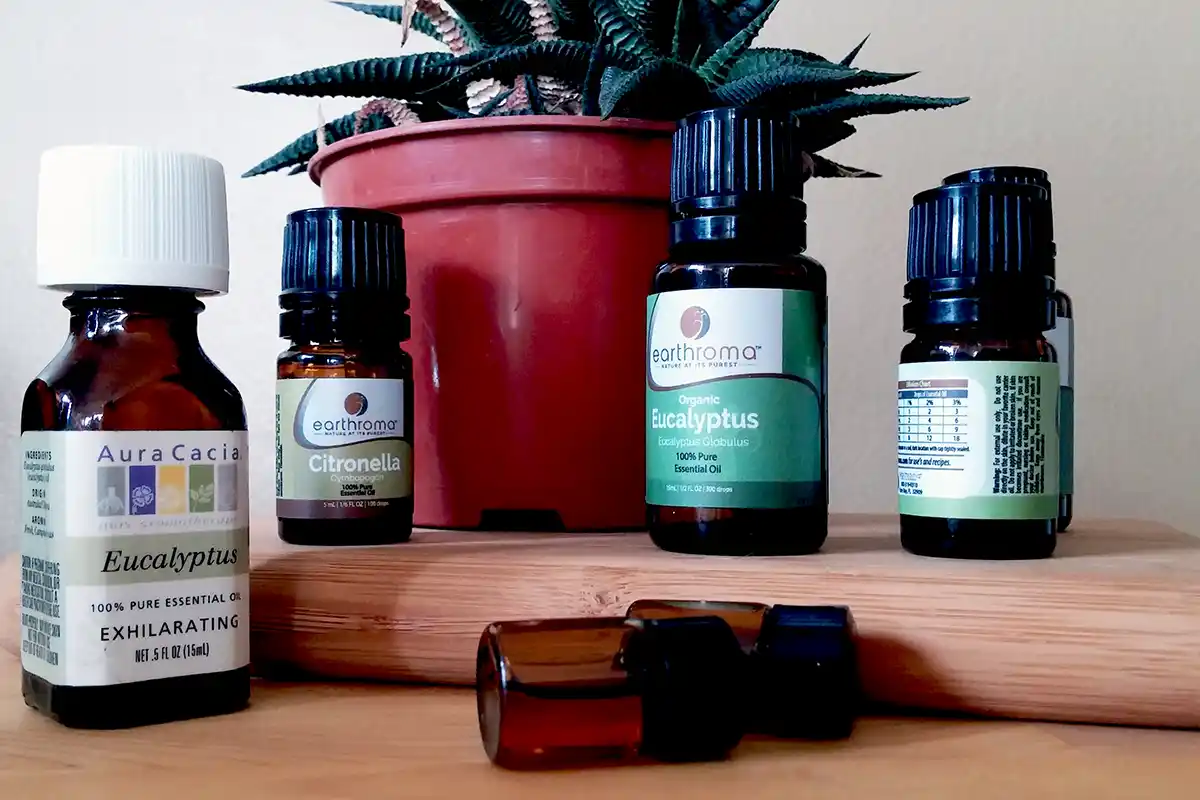
You can create a simple spray using essential oils. Mix ten drops of oil with one cup of water in a spray bottle. Shake it well before you use it. You can spray this around window frames, door gaps, and eaves.
- Peppermint Oil: This is a classic choice. Most stinging insects hate the smell and will avoid areas where it is present.
- Citronella: This scent is well known for keeping mosquitoes away, but it also works on bees and wasps.
- Lemongrass and Clove: These oils have a sharp, spicy scent that disrupts the bees’ ability to sense other smells.
Soak cotton balls in these oils and place them in areas where you have seen activity. Replace the cotton balls every few days to keep the scent fresh.
Herbaceous Barriers and Companion Planting
You can use your garden to act as a natural wall. Planting strong-smelling herbs near your seating areas creates a barrier that bees prefer to avoid.
Plants like mint, penny royal, rue, and tansy are known to deter bees. If you place these in pots near your windows or along your porch railings, you create a scent zone that makes the area less inviting to visitors. This keeps your outdoor living space comfortable without the need for toxic sprays.
Visual and Physical Deterrent Strategies
Bees are sensitive to light and movement. You can use this to your advantage to make your home look unappealing to them.
Reflection is a great tool for porches and sheds. You can hang old CDs, strips of aluminum foil, or Mylar tape near your eaves. As these objects spin in the wind, they catch the sunlight and create flashes. This constant movement confuses the bees. They prefer calm, stable environments for nesting, so a flashing, busy space will drive them to find a quieter location.
Water and Food Source Management
The best way to stop bees is to stop feeding them. If your yard has nothing to offer, they have no reason to stay. This is the most effective long-term strategy for any homeowner.
- Trash Bins: Keep all garbage cans tightly sealed. Rinse out any soda cans or food containers before you put them in the bin.
- Fruit Trees: If you have fruit trees, pick up fallen fruit every single day. Rotting fruit is a huge attractant for yellow jackets and honeybees.
- Pet Food: Do not leave cat or dog food outside. It attracts many insects, including bees and wasps.
Natural Water Diversions
Bees need water, especially in the heat of summer. If you have a pool, a birdbath, or a leaking hose, you might be accidentally inviting them to your house.
You can divert bees by creating a water source elsewhere in your yard. Place a shallow dish filled with pebbles and water away from your seating area. The bees will land on the dry parts of the pebbles to drink safely. Because this new source is easier for them to use, they will stop visiting your pool or patio. This keeps your water clean and keeps the bees out of your way.
Specialized Solutions for Cavity-Nesting Bees
You do not need harsh poisons to stop them. Start by sealing any existing holes with wood filler or caulk. Once the hole is filled, paint or stain the wood. Carpenter bees prefer raw, weathered wood, so a fresh coat of paint acts as a physical barrier. For extra protection, you can apply a citrus oil spray to the wood surface. The strong smell discourages them from landing and starting new tunnels. Installing thin metal flashing over the edges of your wood trim also prevents them from chewing their way into the grain.
Sustainable Coexistence
Natural bee repellents work by changing the environment to make it less attractive to bees. You do not need to kill insects to reclaim your space. By masking scents, removing food sources, and using simple visual decoys, you can create a yard that is safe for both your family and the local insect population.